RV Insurance in Texas: Coverage Options for Every Road Tripper
RV insurance in Texas: what every road tripper needs to know
Texas is one of the best states in the country to own an RV. From Big Bend's desert canyons to the Gulf Coast's beach towns to the Hill Country's rolling cedar breaks, you can spend months exploring within state lines. But before you back out of the driveway, RV insurance in Texas is something you need to get right. The coverage rules, the risks, and the policy options for motorhomes and travel trailers differ from regular auto insurance in ways that catch a lot of owners off guard.
Is RV insurance required in Texas?
The answer depends on what kind of RV you have. Texas law requires liability insurance on any motorized vehicle operated on public roads, and that includes motorhomes. Class A, Class B, and Class C motorhomes are all self-propelled, so they fall under the Texas Transportation Code minimum liability requirements: $30,000 per person / $60,000 per accident for bodily injury, and $25,000 for property damage (commonly called 30/60/25). Driving a motorhome without at least that coverage is against the law.
Travel trailers, fifth wheels, and pop-up campers are a different story. Because they're towed rather than self-propelled, Texas does not require a separate liability policy on the trailer itself. Your tow vehicle's liability coverage follows you to the trailer in a liability situation. The trailer is not, however, covered for physical damage under your auto policy. If a hailstorm shreds the roof of your $45,000 fifth wheel while it's parked in a Denton campground, your truck's auto insurance won't pay a dime toward it.
For a closer look at how Texas minimum coverage requirements work across vehicle types, see our post on Texas 30/60/25 insurance coverage.
Types of RV insurance coverage available
A dedicated RV policy gives you coverages that standard auto insurance was never designed to handle. Here's what the main options mean in plain terms.
Liability coverage
This pays for injuries or property damage you cause to others. For motorhomes, it's the legally required piece. Given that a 40-foot Class A can cause serious damage in an accident, buying only the state minimum is rarely a smart move. Most agents recommend at least $100,000/$300,000 bodily injury and $100,000 property damage for motorhome owners.
Collision and comprehensive
Collision coverage pays for damage to your RV when it hits another vehicle or object. Comprehensive coverage handles everything else: hail, windstorm, fire, theft, falling trees, and animal strikes. In North Texas, comprehensive matters a great deal. The DFW corridor sits in one of the most active hail corridors in the United States, and a bad storm can total a travel trailer just as easily as it totals a car.
Uninsured/underinsured motorist coverage
Texas has a significant share of uninsured drivers on the road. If an uninsured driver rear-ends your Class C motorhome on I-35, UM/UIM coverage pays for your repairs and medical costs when the other driver can't. This coverage is optional in Texas but worth carrying.
Personal belongings coverage
A standard auto policy won't cover the laptops, cameras, bikes, clothes, and kitchen gear inside your RV. A dedicated RV policy typically includes a personal belongings limit, sometimes $3,000 to $10,000 , for contents stolen or destroyed inside the unit. Full-timers who live in their RV often need higher limits and a policy built specifically for full-time use.
Vacation liability
When your RV is parked at a campsite and becomes a temporary living space, vacation liability covers bodily injury or property damage you cause to others at that campsite. You won't find this coverage on an auto policy, and that's one of the clearest reasons a standalone RV policy is better than relying on your vehicle insurance alone.
Emergency expense coverage and roadside assistance
Breakdowns in a 30-foot motorhome are not the same as a roadside flat tire. Some policies cover emergency lodging and transportation costs if your RV becomes uninhabitable far from home. Roadside assistance for RVs is also worth adding: not every tow truck can handle a Class A, and the specialized service costs more than a standard roadside call.
Total loss replacement
Some RV policies offer agreed value or replacement cost coverage. If your RV is totaled in its first few years, you receive the full purchase price rather than a depreciated actual cash value. For a new motorhome that cost $80,000 to $150,000 , that difference can be enormous.
Full-timers vs. part-time campers: the coverage difference
How you use your RV determines what kind of policy you need. A family that takes the travel trailer to Lake Texoma a few weekends each summer has different exposure than someone who sold their house and lives in their Class A full time.
Part-time campers typically do fine with a standard RV policy that adds comprehensive and collision on the trailer or motorhome, plus modest personal belongings and vacation liability limits.
Full-time RV residents need a policy that treats the RV more like a home than a vehicle. Full-timer coverage can include:
- Higher personal liability limits , similar to what a homeowners policy provides, since the RV is your primary residence
- Full-timer personal belongings coverage with limits of $20,000 or more to cover everything you own
- Loss of use coverage , which pays for alternative housing if the RV is being repaired after a covered loss
- Full replacement cost , so a total loss doesn't leave you with a depreciated check that won't cover a comparable replacement
If you're a full-timer or planning to become one, mention that upfront when getting quotes. A part-time policy written for a seasonal camper will leave serious gaps for someone living in their rig year-round.
What affects RV insurance rates in Texas
RV insurance premiums vary widely. A basic travel trailer policy might run $200 to $500 per year , while a comprehensive full-timer policy for a high-end motorhome can exceed $2,000 per year . The main factors that move the price:
- Type and class of RV : a Class A diesel pusher costs more to insure than a pop-up camper, both because repair costs are higher and because the liability exposure is larger
- Value of the unit : higher agreed or replacement values mean higher premiums
- How often you use it : seasonal use typically costs less than full-time or year-round use
- Storage location : keeping the RV in an enclosed storage facility rather than outdoors can reduce comprehensive rates
- Your driving record : the same history that affects auto rates affects motorhome rates
- Bundling discounts : carrying your home and auto with the same carrier can bring meaningful savings
- Safety features : backup cameras, anti-theft devices, and fire extinguishers sometimes earn discounts depending on the carrier
One thing worth knowing: RV insurance is a niche product, and carriers price it very differently from one another. Shopping across multiple companies can produce dramatically different quotes for the same unit and driver profile.
Texas-specific risks to keep in mind
Texas geography and weather create specific risks that matter when you're deciding how much coverage to carry.
Hail. North Texas consistently ranks among the most hail-prone areas in the country. A spring storm can produce baseball-sized hail that destroys an RV roof, smashes skylights, and dents fiberglass panels beyond repair. If your rig is stored outdoors anywhere in the DFW area, comprehensive coverage is a necessity.
Severe thunderstorms and tornadoes. The same storm systems that bring hail bring high winds and occasional tornadoes. A parked RV in an exposed lot can be destroyed in minutes. Comprehensive coverage handles these events.
Flooding. Parts of the Texas Hill Country and the Coastal Bend see flash flooding that can catch campers completely off guard. Standard RV policies cover water damage from rain entering through a damaged roof, but flooding from rising water is typically a separate issue. If you camp regularly in flood-prone areas, ask specifically what your policy covers.
Wildlife. Deer strikes are common on rural Texas highways, and comprehensive coverage pays for those repairs. If you spend time in South or West Texas, rodent damage to wiring is also a real concern: some policies explicitly cover it, others don't.
How to get the right RV insurance coverage in Texas
Working with an independent insurance agent gives you an advantage that going directly to one carrier doesn't. An independent agent can pull quotes from multiple RV-specialist carriers, compare the actual policy language side by side, and help you understand where the gaps are. Some carriers are significantly better for full-timers. Others have stronger hail or total loss provisions. Others price travel trailers very competitively but charge more for motorhomes. There's no single best carrier: the right fit depends on your specific rig, how you use it, and where you store it.
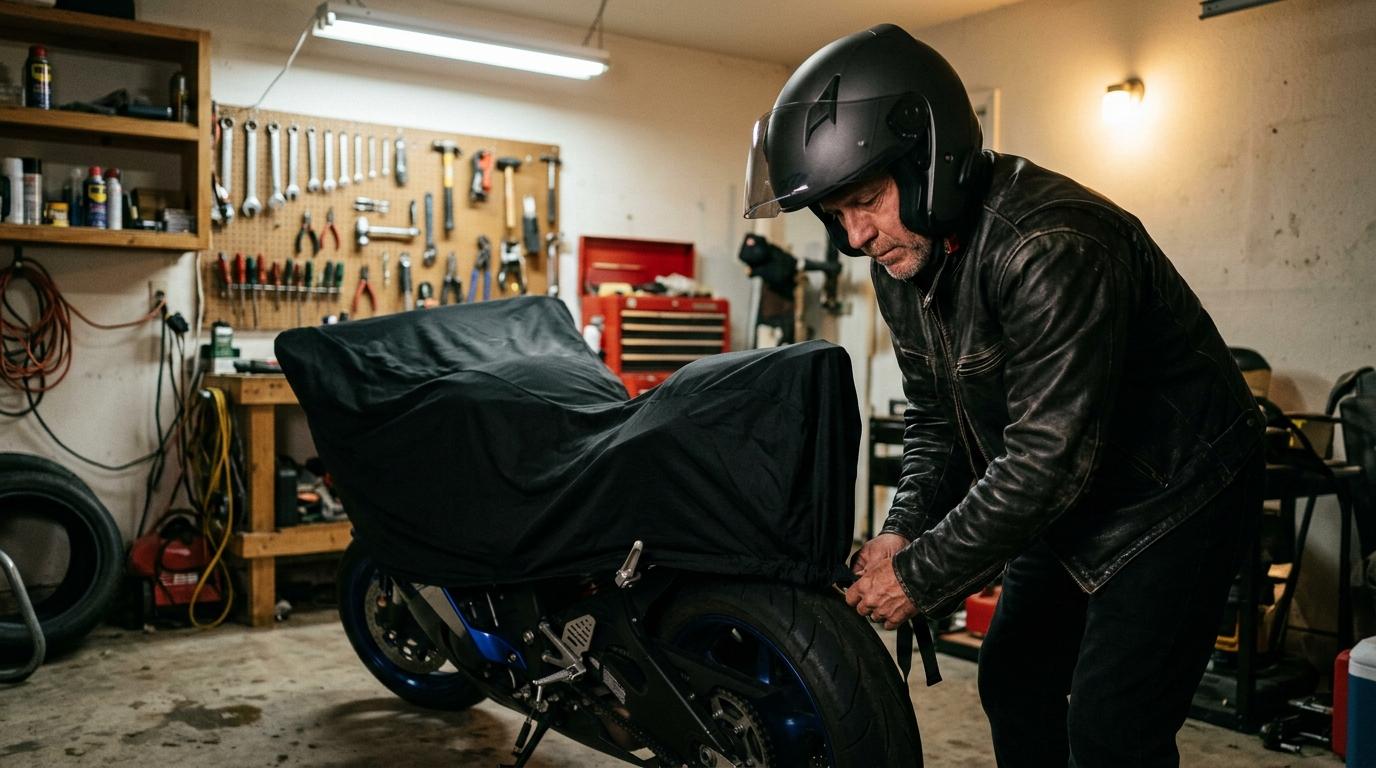
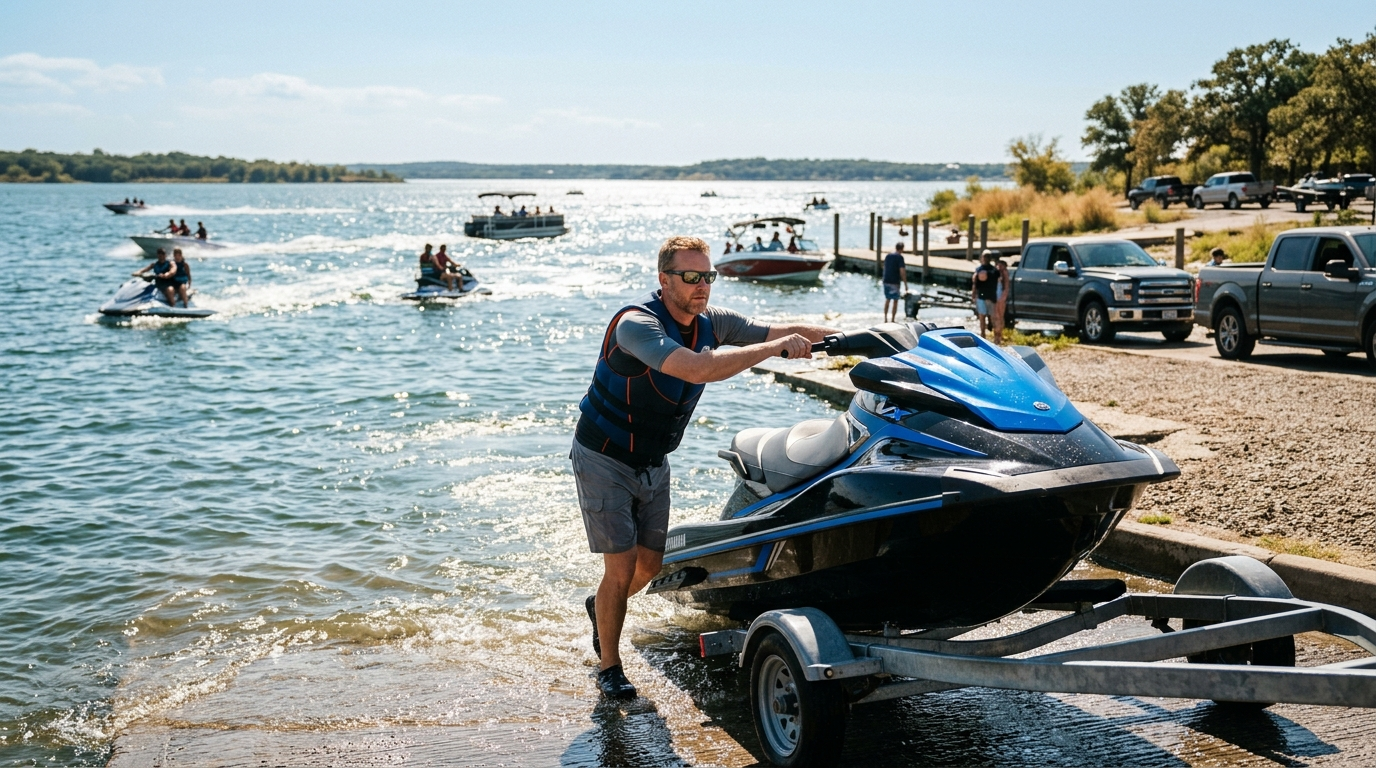
If you also own a boat, you might be interested in our Texas boat insurance guide, which covers similar specialty vehicle coverage principles. And if you ride a motorcycle as well, our Texas motorcycle insurance guide is a useful companion to this one.
A few practical steps before you call for quotes:
- Know the current value of your RV : check NADA or RV Trader to get a realistic number before the conversation starts
- Document what's inside it : a quick video walkthrough of your contents gives you a baseline if you ever need to file a personal belongings claim
- Know where and how you store it : enclosed storage, open lot, your driveway, or a campground all affect pricing and coverage options differently
- Be honest about use : part-time camper rates applied to a full-time resident aren't just underpriced, they can result in a denied claim
Get RV coverage that actually fits how you use it
Taylor Reed Insurance is an independent agency serving the North Texas area, including Keller, Southlake, Flower Mound, Roanoke, Denton, and the communities in between. Because we're independent, we work with multiple carriers and compare options on your behalf rather than pushing one company's products. Whether you have a vintage pop-up or a brand-new Class A diesel pusher, we can find coverage built around how you actually use it.
Ready to get a quote or just want to talk through your options? Visit our contact page or call us at (817) 350-4485 . You can also explore our full RV insurance page to see what we offer before you reach out.
Get A Quote
At Taylor Reed Insurance, securing your future is easy. Ready to protect what matters? Contact us for a quick quote and personalized insurance options!
Kelly
Speak to Kelly 24/7
Microphone ready
Start your custom insurance quote
Instant answers to your insurance questions
Schedule appointments or follow-ups
Personal Insurance
From auto and homeowners to renters and umbrella policies, we help protect your family and property. Let’s find coverage that fits your life.
Commercial Insurance
We customize policies for your industry's risks, like general liability and workers' comp, ensuring you can run your business worry-free.
Contact Taylor Reed Insurance
Recent Posts