What Does Homeowners Insurance Actually Cover?
Understanding Your Homeowners Insurance Coverage
You've made one of the biggest investments of your life by purchasing a home. But do you actually know what your homeowners insurance policy covers? Many homeowners assume they're protected against everything until disaster strikes and they discover surprising gaps in their coverage.
At Taylor Reed Insurance, we regularly answer questions from homeowners who are confused about their policy details. The truth is, homeowners insurance is more nuanced than most people realize. Understanding exactly what's covered—and what isn't—can save you thousands of dollars and tremendous stress when you need to file a claim.
Let's break down the key components of a standard homeowners insurance policy and explore what protection you're really getting for your premium dollars.
The Six Main Coverage Areas in Homeowners Insurance
A typical homeowners insurance policy includes six distinct coverage sections, each designed to protect different aspects of your home and financial wellbeing.
Coverage A: Dwelling Protection
Dwelling coverage is the foundation of your homeowners policy. This protects the physical structure of your home, including:
- The house itself (walls, roof, floors, built-in appliances)
- Attached structures like garages or decks
- Electrical, plumbing, and HVAC systems
- Built-in cabinets and countertops
If a covered peril like fire, wind, hail, or lightning damages your home, this coverage pays to repair or rebuild. The key word here is "covered peril." Standard policies typically cover 16 specific perils, but not everything that could damage your home.
Coverage B: Other Structures
This section covers detached structures on your property that aren't part of your main dwelling. Examples include:
- Detached garages or sheds
- Fences and retaining walls
- Gazebos and pergolas
- Detached workshops
Coverage B is typically set at 10% of your dwelling coverage amount. If your home is insured for $300,000, you'd have $30,000 in other structures coverage.
Coverage C: Personal Property
Personal property coverage protects your belongings inside your home. This includes furniture, clothing, electronics, appliances, and other possessions. Most policies cover personal property at 50-70% of your dwelling coverage amount.
Here's something many homeowners don't realize: personal property coverage extends beyond your home. If your laptop is stolen from your car or your luggage is lost during travel, your homeowners insurance may cover it.
However, there are usually sublimits for high-value items like jewelry, artwork, collectibles, and cash. You may need additional coverage through scheduled personal property endorsements for these items.
Coverage D: Loss of Use
What happens if your home becomes uninhabitable after a covered loss? Coverage D pays for additional living expenses while your home is being repaired, including:
- Hotel or rental accommodation costs
- Restaurant meals (above your normal food expenses)
- Storage fees for your belongings
- Pet boarding costs
This coverage typically ranges from 20-30% of your dwelling coverage and has time limits, usually 12-24 months.
Coverage E: Personal Liability Protection
Personal liability coverage protects you if someone is injured on your property or if you accidentally damage someone else's property. This coverage pays for:
- Legal defense costs if you're sued
- Medical bills for injured guests
- Court judgments or settlements
- Property damage you're legally responsible for
Standard policies typically include $100,000 to $300,000 in liability coverage, but many insurance professionals recommend at least $500,000. For even greater protection, consider a personal umbrella policy that provides additional liability coverage.
Coverage F: Medical Payments to Others
This coverage pays medical expenses for guests injured on your property, regardless of who's at fault. It covers small medical bills (typically $1,000 to $5,000) without requiring a lawsuit.
If your dinner guest trips on your front steps and breaks their wrist, Coverage F can pay their emergency room bill and follow-up care. This often prevents small incidents from becoming liability claims.
What Homeowners Insurance Typically Doesn't Cover
Understanding coverage gaps is just as important as knowing what's included. Here are common exclusions in standard homeowners policies:
Flood damage: Standard policies exclude flooding from external water sources. You need separate flood insurance through the National Flood Insurance Program or private insurers.
Earthquake damage: Most policies exclude earth movement. If you live in a seismically active area, you'll need additional earthquake coverage.
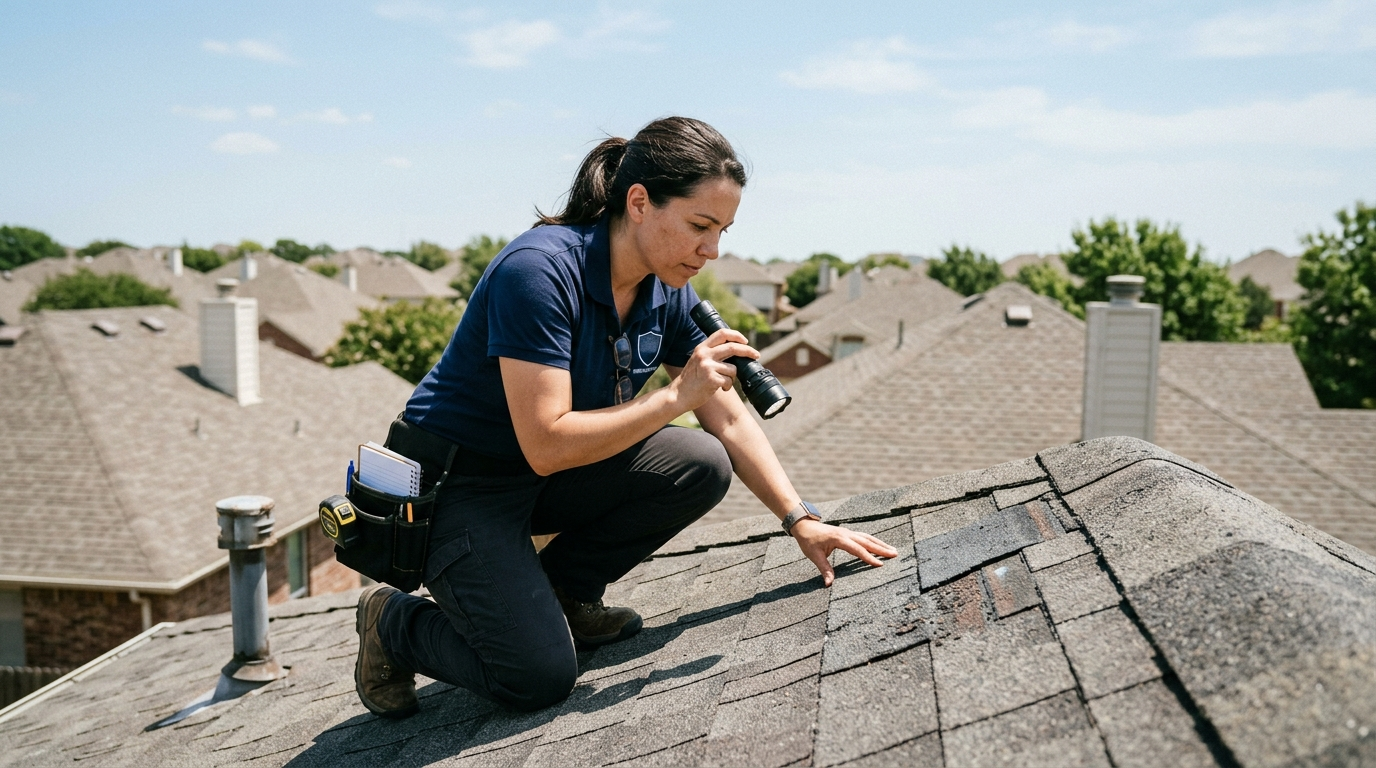
Normal wear and tear: Insurance covers sudden, accidental damage—not deterioration from age or poor maintenance. A roof that gradually wears out over 20 years isn't covered, but a roof damaged by a fallen tree is.
Sewer backup: Water damage from sewer or drain backups is typically excluded unless you add this coverage through an endorsement.
Home-based business: If you run a business from home, your business equipment and liability may not be covered under your personal policy. You may need commercial coverage.
Certain dog breeds: Some insurers exclude liability coverage for breeds they consider high-risk. Check your policy if you have a dog.
Mold: While some mold damage resulting from a covered peril may be covered, most policies have strict limitations and sublimits for mold remediation.
Common Misconceptions About Homeowners Coverage
Many homeowners believe their policy covers more than it actually does. Here are myths we frequently encounter:
Myth 1: My home is insured for market value. Your dwelling coverage should reflect replacement cost—what it would cost to rebuild your home today—not what you could sell it for. Market value includes land, but insurance doesn't cover land.
Myth 2: Everything in my home is fully covered. While your personal property is covered, high-value items like jewelry, art, and collectibles often have sublimits of $1,000-$2,500. You need scheduled coverage for full protection.
Myth 3: My old roof will be replaced with a brand new one. This depends on whether you have replacement cost or actual cash value coverage. Actual cash value policies deduct depreciation, meaning you'd receive less for an older roof.
Myth 4: My basement flood damage is covered. Only if the water came from inside your home (like a burst pipe). External flooding requires separate flood insurance.
How to Maximize Your Homeowners Insurance Protection
Now that you understand what's covered, here's how to ensure you have adequate protection:
Review your policy annually: Your coverage needs change as you renovate, acquire valuables, or make home improvements. Schedule an annual review with your insurance agent.
Document your belongings: Create a home inventory with photos and receipts. This makes filing claims much easier and ensures you don't underestimate your personal property value.
Understand your deductible: Your deductible is what you pay out-of-pocket before insurance kicks in. Higher deductibles lower your premium but increase your financial risk when you file a claim.
Consider replacement cost coverage: For both dwelling and personal property, replacement cost coverage pays to replace items at today's prices without deducting for depreciation. It costs more but provides better protection.
Add endorsements for gaps: Common valuable endorsements include water backup coverage, scheduled personal property for valuables, and equipment breakdown coverage.
Maintain your home: Regular maintenance prevents damage and ensures claims aren't denied for neglect. Keep records of roof repairs, HVAC servicing, and other maintenance.
Getting the Right Coverage for Your Home
Homeowners insurance is designed to protect your largest asset and your financial wellbeing. But cookie-cutter policies don't work for everyone. Your home, belongings, and risk tolerance are unique, which means your coverage should be too.
The team at Taylor Reed Insurance specializes in helping homeowners understand their coverage options and identify potential gaps before problems arise. Whether you're purchasing your first home, refinancing, or simply reviewing your existing policy, we're here to answer your questions and ensure you have the protection you need.
Don't wait until you file a claim to discover what your policy does and doesn't cover. Contact us today for a comprehensive policy review. We'll walk you through your coverage, explain your options, and help you make informed decisions about protecting your home and everything in it.
Get A Quote
At Taylor Reed Insurance, securing your future is easy. Ready to protect what matters? Contact us for a quick quote and personalized insurance options!
Kelly
Speak to Kelly 24/7
Microphone ready
Start your custom insurance quote
Instant answers to your insurance questions
Schedule appointments or follow-ups
Personal Insurance
From auto and homeowners to renters and umbrella policies, we help protect your family and property. Let’s find coverage that fits your life.
Commercial Insurance
We customize policies for your industry's risks, like general liability and workers' comp, ensuring you can run your business worry-free.
Contact Taylor Reed Insurance
Recent Posts